What You Should Know About Post-Concussion Syndrome
Oct 26, 2026
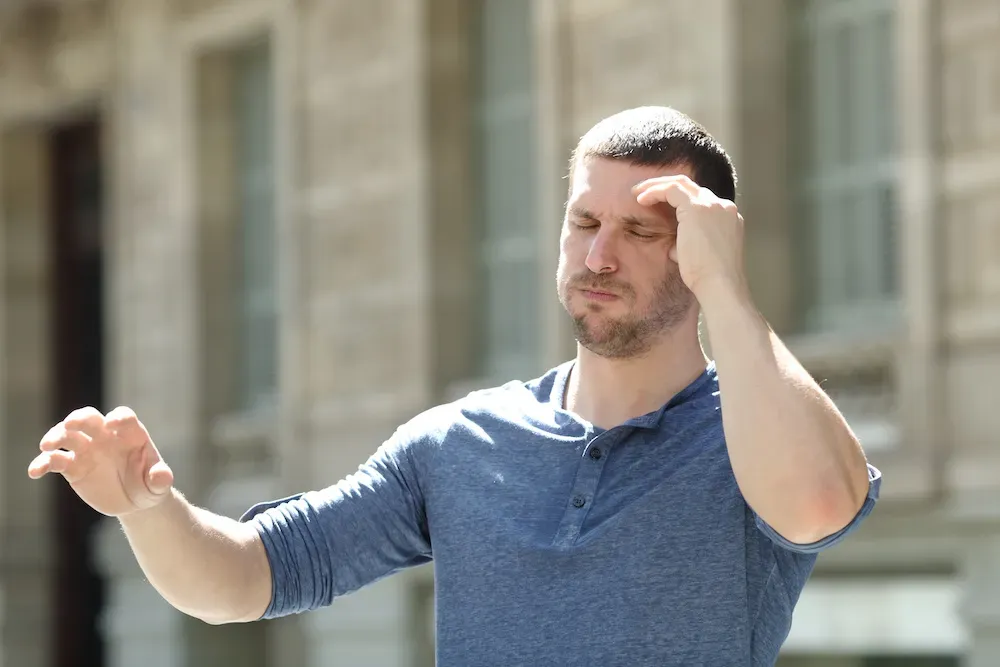
Struggling with head pain, brain fog, or dizziness weeks after a fall or sports collision? If so, chances are you're dealing with post-concussion syndrome. About 15% of those who sustain a mild head injury experience persistent issues that interrupt normal daily routines.
At Palm Beach Pain Institute in Delray Beach, Florida, Marcie A. Merson, MD, is an expert in treating post-concussion syndrome. She targets chronic, persistent symptoms (most commonly headaches, neck pain, and nerve irritation) with a multi-modal, non-opioid approach. Here she breaks down what you need to know about this condition.
Post-concussion syndrome happens when physical, mental, and emotional symptoms linger well beyond the standard two weeks. These cases can last for three months or even longer. Patients with post-concussion syndrome report a mix of physical and cognitive complaints, including:
There is no single cause for delayed recovery.
Why do some head injuries take longer to heal
Lingering symptoms are believed to stem from structural and metabolic changes inside brain cells, combined with neck strain and stress. The initial impact causes temporary chemical shifts in neural tissue. If nerve pathways don't settle down normally, communication between brain regions remains disrupted.
Several factors can increase your risk for post-concussion syndrome. These are:
A severe initial impact doesn't always guarantee a complicated recovery. Even a seemingly minor fall or sports collision can result in long-term challenges if risk factors are present.
Care focuses on easing specific symptoms so the brain can repair itself. Total rest in a dark room isn't recommended anymore. Current medical protocols favor brief rest followed by gradual, guided activity.
Effective recovery strategies include:
Dr. Merson assesses your specific complaints to design an active care plan tailored to your body's needs. For post-concussion treatment and other pain management needs, contact Dr. Merson today.