Chronic Sciatica vs. Spinal Stenosis: Why an Expert Diagnosis is Key to Reclaiming Your Life
Nov 01, 2026
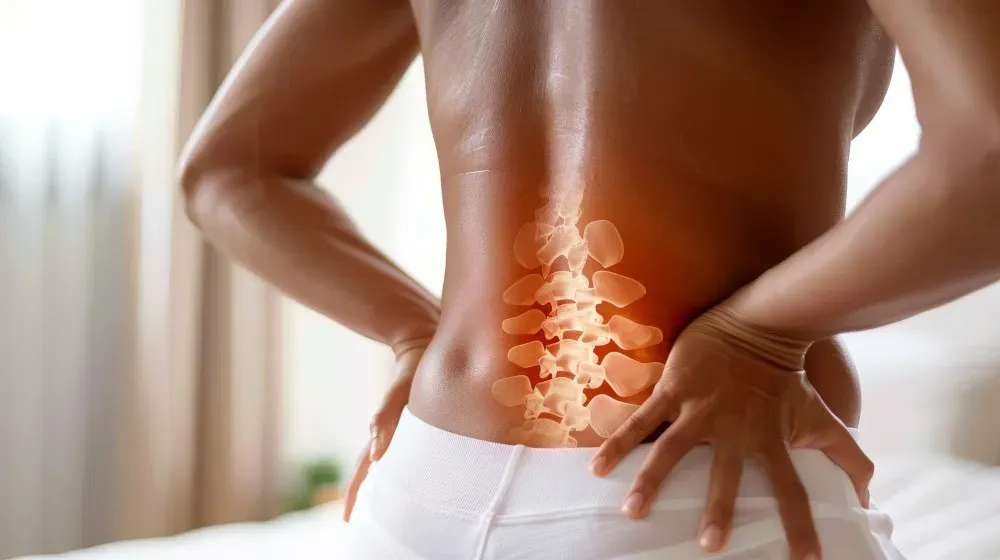
Lower back, leg, and buttock pain affects millions of people worldwide. Accidents often cause these symptoms, such as car crashes or falls, but the answer isn’t always obvious. Certain musculoskeletal conditions, like sciatica and spinal stenosis, can trigger these issues, so you may need an expert’s help to address the underlying cause.
Board-certified pain management physician Marcie Merson, MD, at Palm Beach Pain Institute in Delray Beach, Florida, regularly helps patients determine what’s causing their chronic back and leg pain.
In this article, she explains how chronic sciatica and spinal stenosis vary, why the distinction matters, and how professional treatment can help you return to your routine.
Sciatica occurs when your sciatic nerve, which runs from your lower back, down your buttocks, and into your legs, becomes irritated or compressed, often from a herniated disc or spinal condition.
Chronic sciatica means you’ve had sciatica for at least 12 weeks (three months). Sciatica causes intense lower back, buttock, and leg pain that can make daily activities, such as walking the dog or climbing a flight of stairs, incredibly painful. It may also occur alongside numbness, tingling, and muscle weakness.
Spinal stenosis is a musculoskeletal condition that occurs when your spinal column (the space around your spine) narrows due to age or injury. Over time, that narrowing can place pressure on your spinal nerves, leading to severe back pain and leg pain. In some cases, spinal stenosis can pressure the sciatic nerve, causing sciatica.
Because spinal stenosis and chronic sciatica present similar symptoms, it can be challenging to tell the difference. Generally speaking, spinal stenosis symptoms tend to worsen when you’re standing or walking, while sciatica symptoms often worsen in the mornings or after long periods of rest.
However, if you’re uncertain, schedule an evaluation with Dr. Merson, our qualified pain management expert. After discussing your symptoms, completing an exam, and ordering diagnostic imaging (if necessary), she can determine the likely source of your back, leg, and/or buttocks pain and recommend personalized treatment.
Dr. Merson treats chronic sciatica and spinal stenosis using a conservative, minimally invasive approach whenever possible. Instead of automatically recommending surgery, she offers other options.
Depending on the severity of your symptoms and their effect on your quality of life, she may suggest:
Both conditions often improve with a combination of these treatments, but if your symptoms persist or worsen, surgery may be necessary.
Chronic sciatica and spinal stenosis affect your mobility and quality of life, but you don’t have to accept pain as your new normal.
Contact us today to explore more treatment options. Schedule an appointment online or call our office at 561-499-7020.